
Beef tallow

Beef tallow is currently being promoted as the new oat bran, as a supposedly superior substitute for frying oils of plant origin.
We first need to examine the wisdom of consuming excessive quantities of fats of any origin, particularly those stripped of their whole-food sources. Fats contributing up to 10% of daily caloric intake, when these are in their whole-food sources (fish, nuts, grains, &c.), and modest consumption of minimally processed oils used in food preparation that are accompanied by their various fat-soluble nutrients have a legitimate place in the human diet.
I’ve critiqued the industrial processing of commercial seed oils and recommended their use in moderation in minimally processed form, preserving their carotenoids, phenols, tocopherols, ubiquinol, and vitamins D & K.
Let’s look at the beef tallow proposed as a substitute.
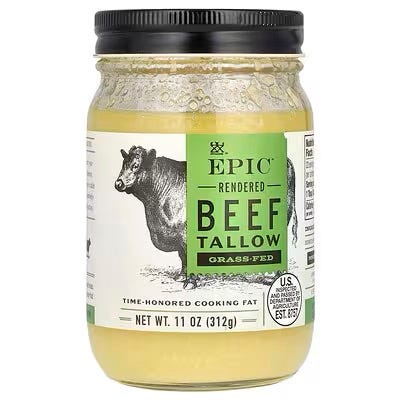
First, of course, we need to investigate the wisdom of consuming foods fried in an excess of oil of any source. I love a good French fry or traditional Maine molasses donut as much as anyone, but deep-fried foods are fundamentally recreational food-like items that should be buried at whichever end of the “food pyramid” (inverted or otherwise) that represents things to be consumed rarely, if at all, potentially displacing nutrient-rich foods in our 2400-some calorie daily intake. If we’re to pay legitimate attention to what should be on the plate for a healthy diet, we’d do well to attend to other matters altogether.
Conjugated linoleic acid, ⍺-linoleic acid, short-chain, branched-chain, and odd-chain-length fatty acids in beef fat are dependent on a diet of varied grasses and herbs, and on bacterial action in the rumen. I recall a dairyman on the Fužina Planina in the Slovenian Alps who might have doubled as Heidi’s grandfather telling me his amazing yogurt & cheese were the result of “zee herbs,” gesturing reverently to his Cika cows grazing in his alpine meadow.

Small-scale production involving minimal procesed beef tallow is available to the privileged few, but adoption at a national scale and by the fast food industry such as the Steak-&-Shake® fries promoted by our Secretary of Health & Human Services would be reliant on large-scale industrial processing.
Industrially processed beef tallow is not merely rendered beef fat trimmings from cows consuming a naturally healthy diet.
We first need to consider how beef is raised.
The idyllic image of cows free-ranging on a mixed grass prairie like the bison they replaced in the North American prairies, or in the alpine meadows of Slovenia, are the rare exception to factory-raised cows, with the resulting beef and beef products available to the privileged few who raise their own small herds, or have access to purchase from small-scale regenerative farms. “Grass-fed” beef is a deceptive industry term applied to cattle that receive fresh or mown grass for a small portion of their life, prior to “finishing” in feed lots. We can be assured that the $1.091 trillion U.S. beef, pork, & dairy industries do not represent the practices of the 2 images below.
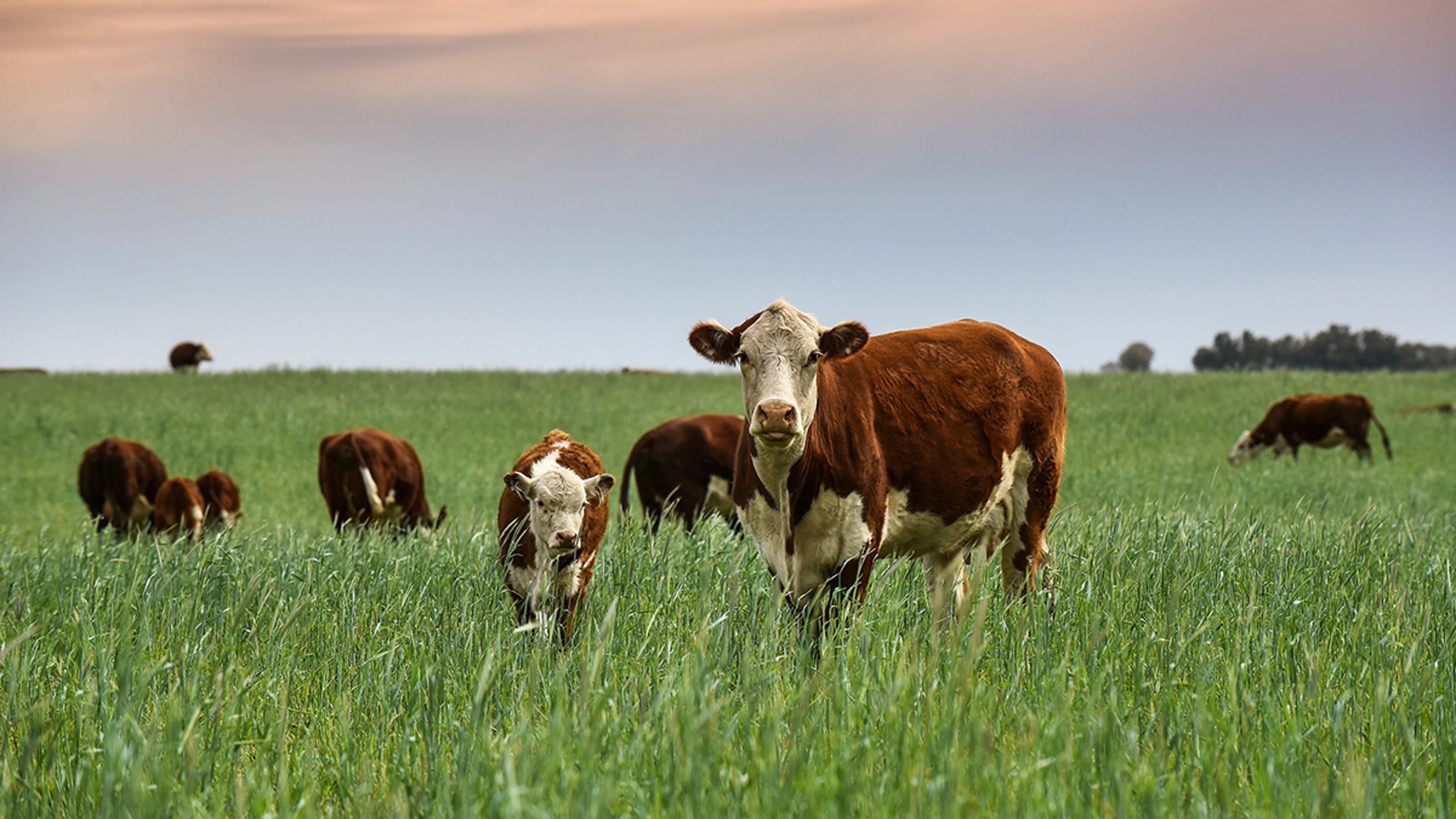

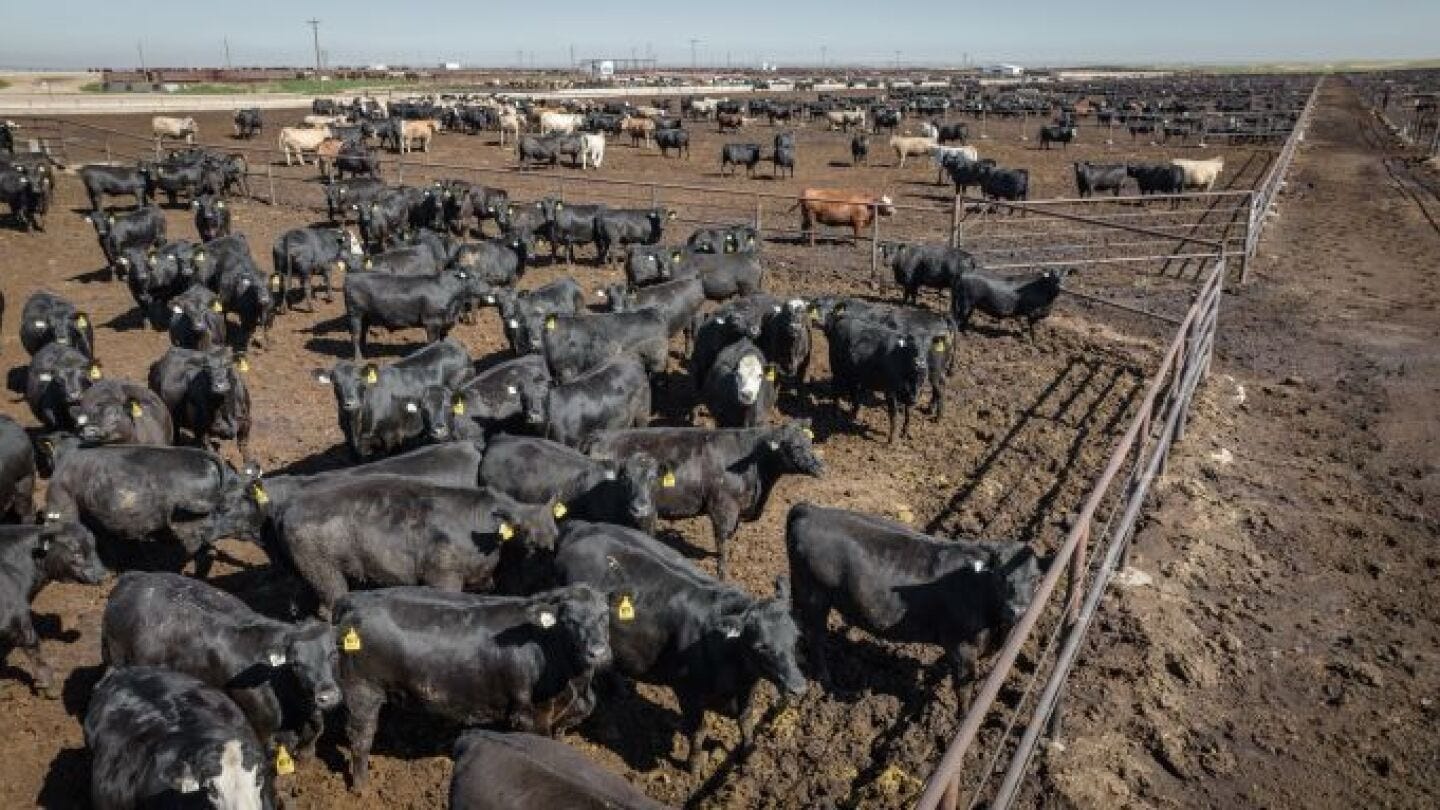
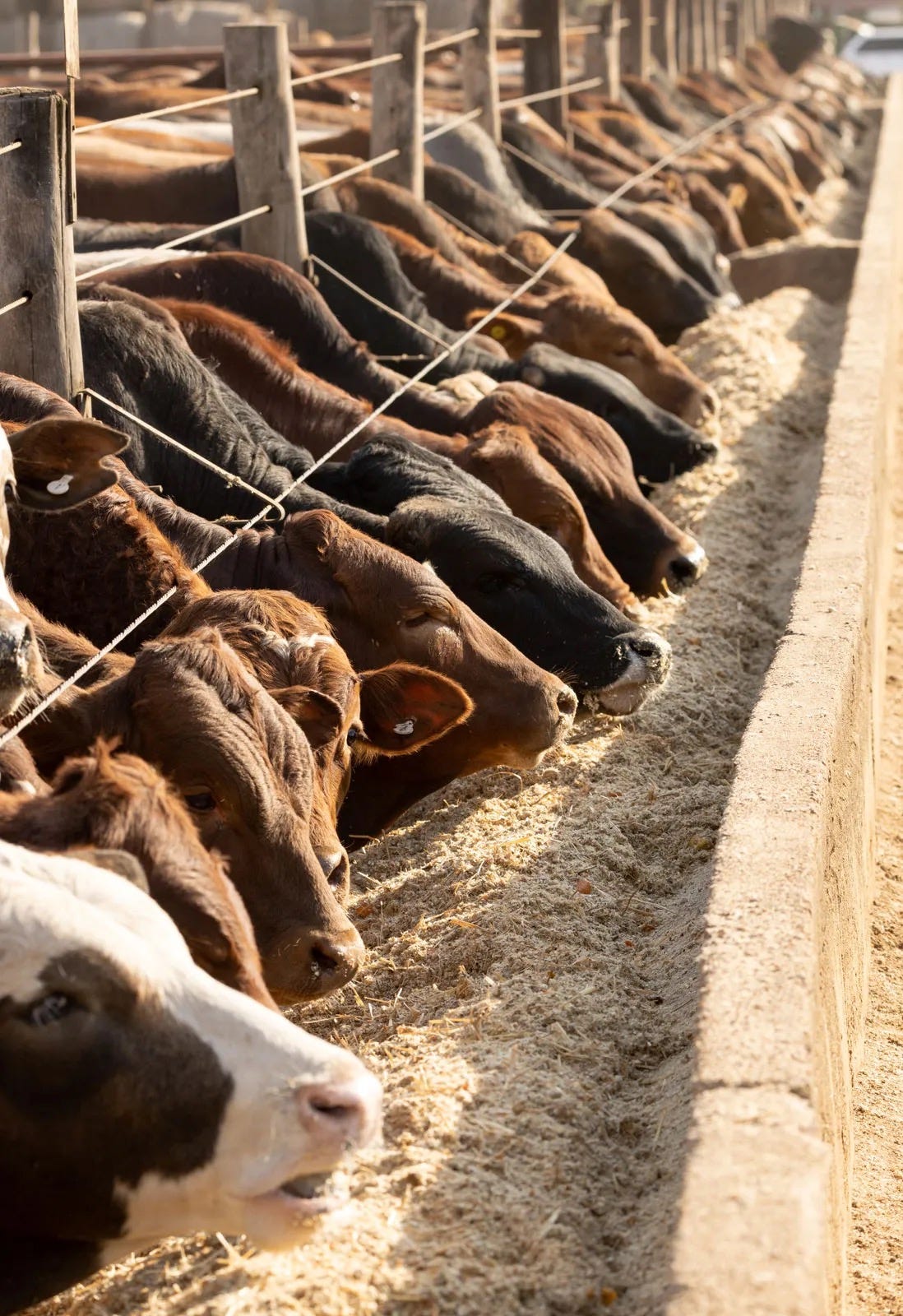
The last 2 images represent the reality of commercial beef production. We might debate the ethics of this version of animal “husbandry,” including its impact on climate change (responsible for 14–18% of all global greenhouse gas emissions), water use, heavy reliance on the agrichemical industry (dependent on shipping through the Strait of Hormuz and those geopolitical implications), pollution, and displacement of land use from other forms of agriculture, but the nutritional content of that “total mixed ration” in the feed troughs, the ruminal health it supports (or fails to support), and the relative sedentary lifestyle of feedlot cattle bred for rapid weight gain ultimately determine the fat content of the resulting tallow. This includes fat soluble contaminants, including persistent organic pollutants (dioxins, PCBs), lipophilic organochlorine pesticides, aflatoxins, and lipophilic macrolide antibiotics, all which concentrate in the fatty tissues, with antibiotics also impacting on bacterial fatty acid metabolism in the rumen.
Conjugated linoleic acid, ⍺-linoleic acid, short-chain, branched-chain, and odd-chain-length fatty acids are dependent on a varied grass diet & on efficient rumenal bacterial activity, and are minimal in factory-farmed beef. The principal source of fatty acids in feedlot cattle is from cottonseed, soy, and corn oil in the mash, those vilified “seed oils,” incorporated directly into beef fat.
Commercial beef tallow does not simply involve rendering beef fat trimmings in a big pot.
Fat is trimmed from carcasses, organs including kidney suet, and meat cuts, representing profit from what would otherwise be waste. Following wet or dry rendering, tallow is clarified, filtered, bleached, often with sodium chlorite or chlorine dioxide and sulphuric acid, and deodorized with activated carbon and steam distillation. Beef fat is accompanied by fewer lipophilic nutrients than are vegetable fats, but these processes essentially eliminate those that are present, including tocopherols, vitamins A, D, & K, and carotenoids.
Yes, these tallow-fried French fries still look tempting,
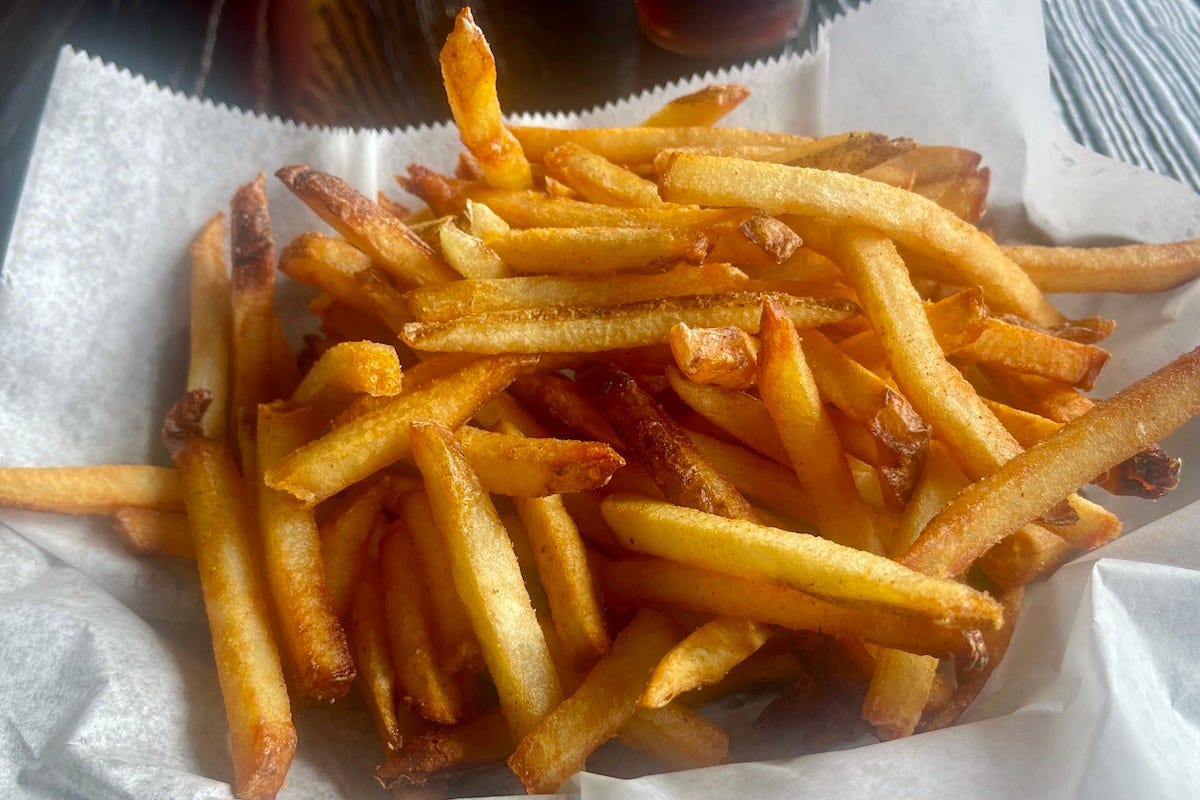
But let’s not confuse them for food.